- About
- Our ProductsUndersink pumpstations - Kwikflo
- KUSP40
- KUS40
- KUS80
- Our Projects
- Resources
- News and Insights


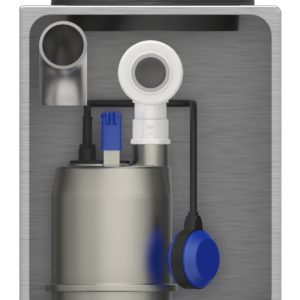
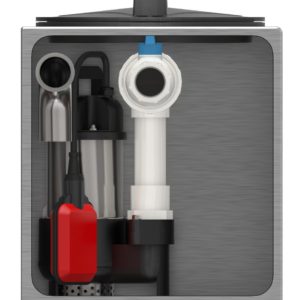
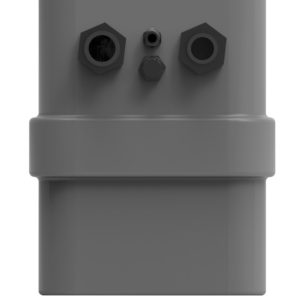
Pump stations are integral to efficiently managing wastewater and sewage in various commercial and residential settings. They are especially crucial in environments such as cafes, bakeries, and takeaways where they handle high volumes of grease and wastewater. Laboratories and laundries also rely on pump stations for the safe disposal of potentially contaminated water. Additionally, these systems are vital in residential areas like basements and granny flats to prevent flooding and maintain proper sanitation. Bars and cellars benefit from their ability to manage excess water and maintain dry conditions, while kitchens use pump stations to ensure that waste water is efficiently removed, keeping the area clean and compliant with health regulations.
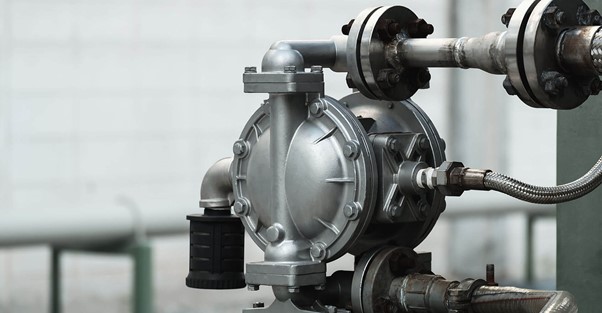

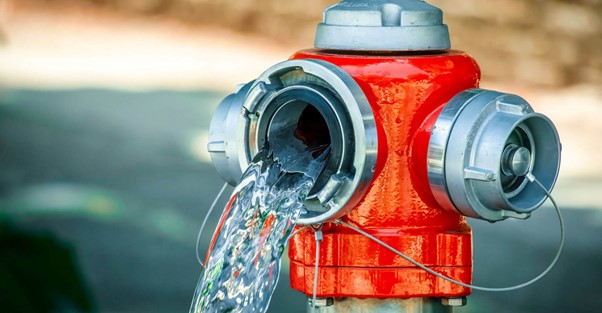
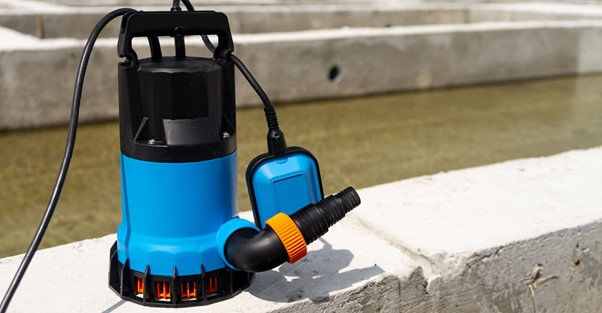
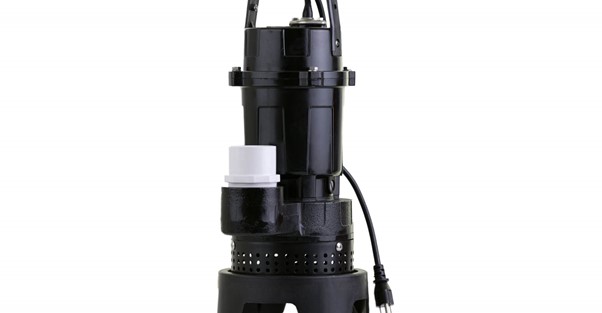
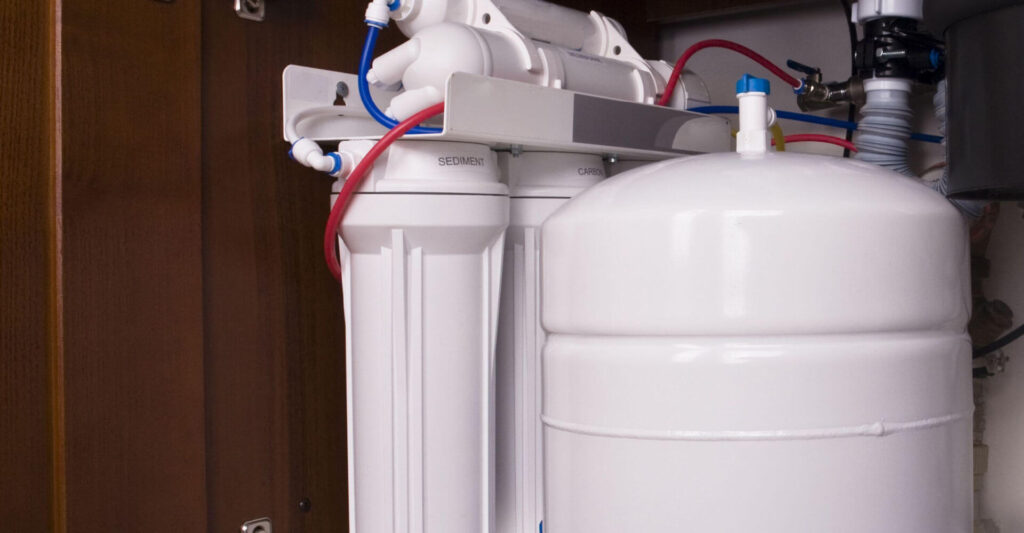
A pressure booster pump ensures reliable water pressure and flow, important for fire systems, plumbing installations, and commercial facilities. It helps maintain consistent performance, prevents downtime, and supports compliance with system requirements in demanding applications.
The ideal size of a pump station depends on the volume of wastewater, peak flow rates, and the height it needs to be lifted (known as head height). For undersink applications, common considerations include the number of fixtures connected (e.g. sinks, dishwashers) and whether it’s used in a residential or commercial setting. Aline Pumps offers a range of capacities from 100L to 5000L to meet varying requirements. Contact our team to confirm the best fit for your application.
In a wet well pump station, the pumps are submerged directly in the wastewater, making it a simpler and more cost-effective option for small-scale applications like undersink systems. In contrast, a dry well configuration houses the pumps in a separate, dry chamber beside the wet well, making them easier to service but more expensive to install. For compact, below-bench or confined-area uses, wet well systems are generally the preferred choice.