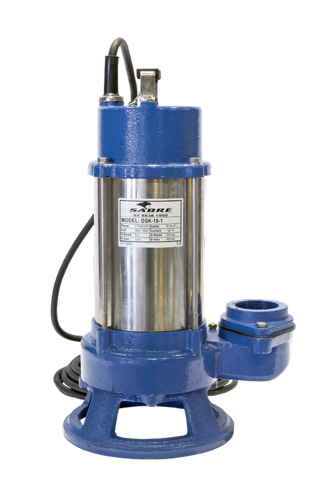
A sump pump is a submersible device installed in a sump pit—usually in the basement of a home or building—that automatically removes water buildup to prevent flooding. It collects water from drains or natural groundwater and pumps it away from the property through a discharge line. Sump pumps are vital in areas prone to water accumulation, offering protection for basements, crawl spaces, storm drains, and low-lying properties.
Key Takeaways:
A sump pump removes water from sump pits to protect properties from flooding and water damage, especially in basements and low-lying areas.
They can be manual or automatic, with automatic models activating when water reaches a set level and turning off after drainage.
Choosing the right pump requires considering horsepower and head pressure, ensuring it can efficiently move water from the pit to the discharge point.
Why You Need a Sump Pump
If you have a basement and it floods, then you will more than likely need and I dare say, want a sump pump. As not every basement is going to be a barren room with very little in it and only has concrete flooring. And the last thing you would want is for it to be continually flooded when it can be so easily fixed.
Manual vs. Automatic Sump Pumps
The next big question you will need to ask yourself is whether you want the sump pump to be manual or automatic. As a manual sump pump must be trend on and off by the owner, however you can find some models where you are able to pump down to as little as 3ml with the manual sump pump. If you choose the automatic sump pump, it has a switch within the device that activates the pump when the water has reached a predetermined height, it then turns off the sump pump once the water has been drained.
Horsepower and Head Pressure Considerations
Depending on how low the sump tank is located in relation to the discharge location, you will also need to account for how much horsepower you will need your sump pump to have. As too little power and it won’t be able to drain the sump tank, and could also wear out the pump prematurely. The head pressure of a sump pump will also determine which pump will be ideal for you use. For example if you get a sump pump with a 20’ maximum head, then the pump will be able to move the water 20’ before it completely loses its flow. Also please note that if there are and bends or long horizontal runs that this will also affect the overall head pressure.
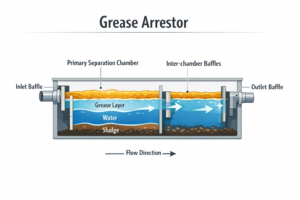
Published by: on Commercial kitchens and food processing facilities deal with a problem most people never see. Every day, hot wastewater carrying fats, oils, grease, and food solids flows toward...
Pumps are divided into several broad categories. The most common are residential, commercial, and industrial pumps. The purpose of residential pumps is easy to understand but how are industrial and...
A Pressure Pump for Every Application in Australia Aline offers a large range of solutions for various different pump applications. We work with builders, plumbers, fire protection contractors, and other...
How Often Should a Fire Pump Be Tested? When it comes to buying fire pump systems, water storage tanks and valves online, Aline Pumps is Australia’s trusted choice. We specialise...
What Are ESFR Sprinklers for Australian Warehouses? Aline Pumps is a top choice for contractors looking for fire pump systems and valves online. Our fire protection expertise extends to ESFR...
A high pressure water pump is designed to generate strong, focused water force—ideal for tasks like cleaning, firefighting, irrigation, and water distribution. In contrast, a high flow water pump moves...